
Sligo is a coastal town in County Sligo, located on the western side of the Republic of Ireland. Known for its stunning and rugged countryside, landmarks such as the Knocknarea and Ben Bulbin mountains dominate the skyline and meet the wild Atlantic shoreline. Sligo is also known for its literary legacy with WB Yeats calling the town home throughout his childhood. Taking inspiration from the mountains, lakes and coastline surrounding him, Yeats called Sligo ‘the land of hearts desire’ with the beauty of the county filling his early poetry. I can honestly say, he got that one right; Sligo is amazingly beautiful.
Much like the rest of Ireland, Sligo also has a very rich and important archaeological history. Having the highest densities of prehistoric archaeological sites in Ireland, it is the only place in which all classes of Irish megalithic monuments are found together. In this article, we detail the top 3 places to visit in Sligo which will give you a peak into the long and fascinating history of the area.
1. Sligo Abbey
Sligo Abbey has dominated Sligo’s eastern side of town since the 13th century. Large parts of the church, sacristy and chapterhouse are well preserved from this period, along with the 15th century cloister, dining hall and dorms.

The Abbey has stood the test of time having endured many tragedies, some of which include a fire in 1414, the dismantling of its wooden cross for use as a battering ram during a siege at the town’s castle, extensive destruction caused by landlord Sir Frederic Hamilton in 1642, and in 1832 the graveyard was overwhelmed by victims of a cholera epidemic.
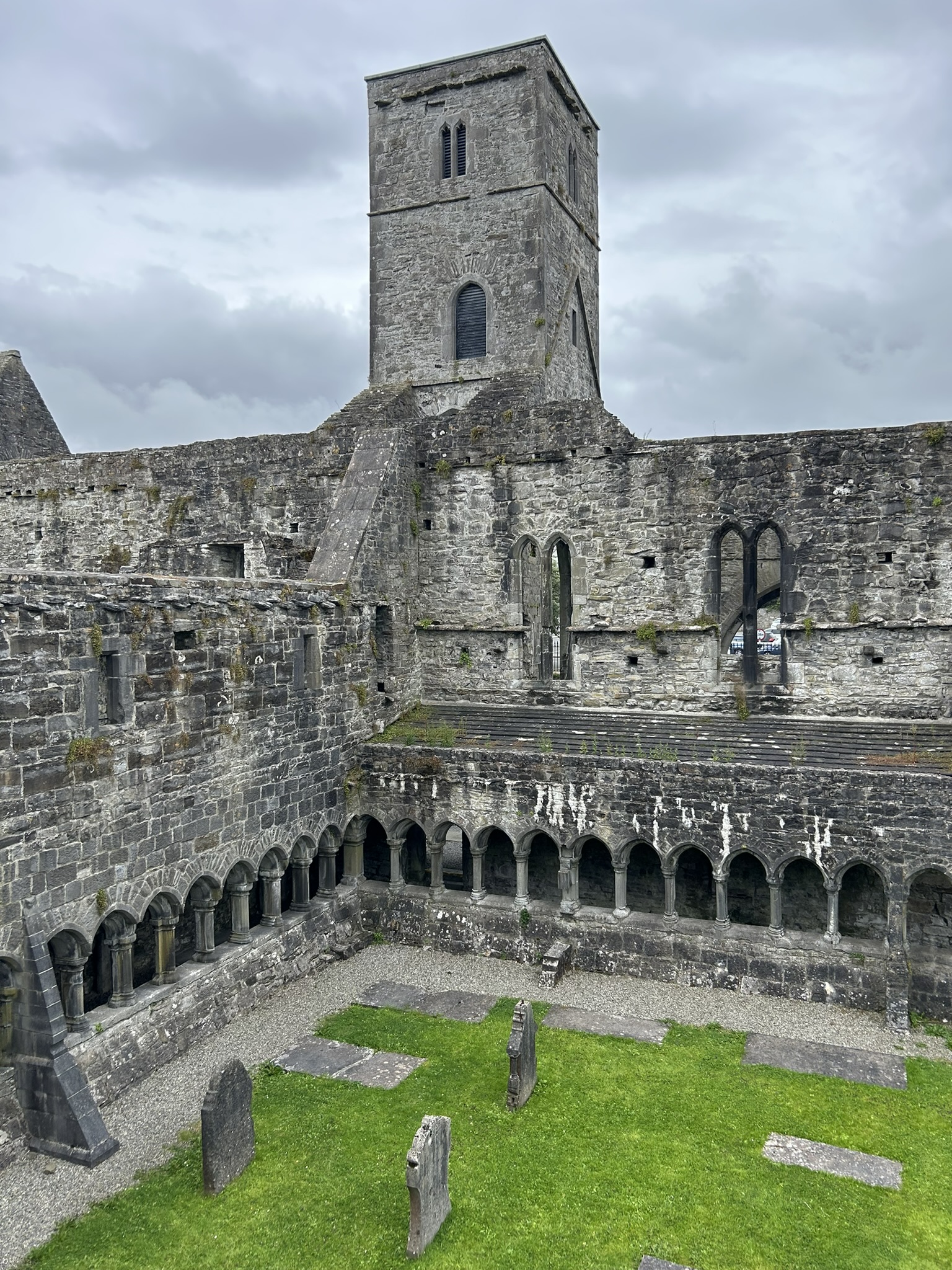
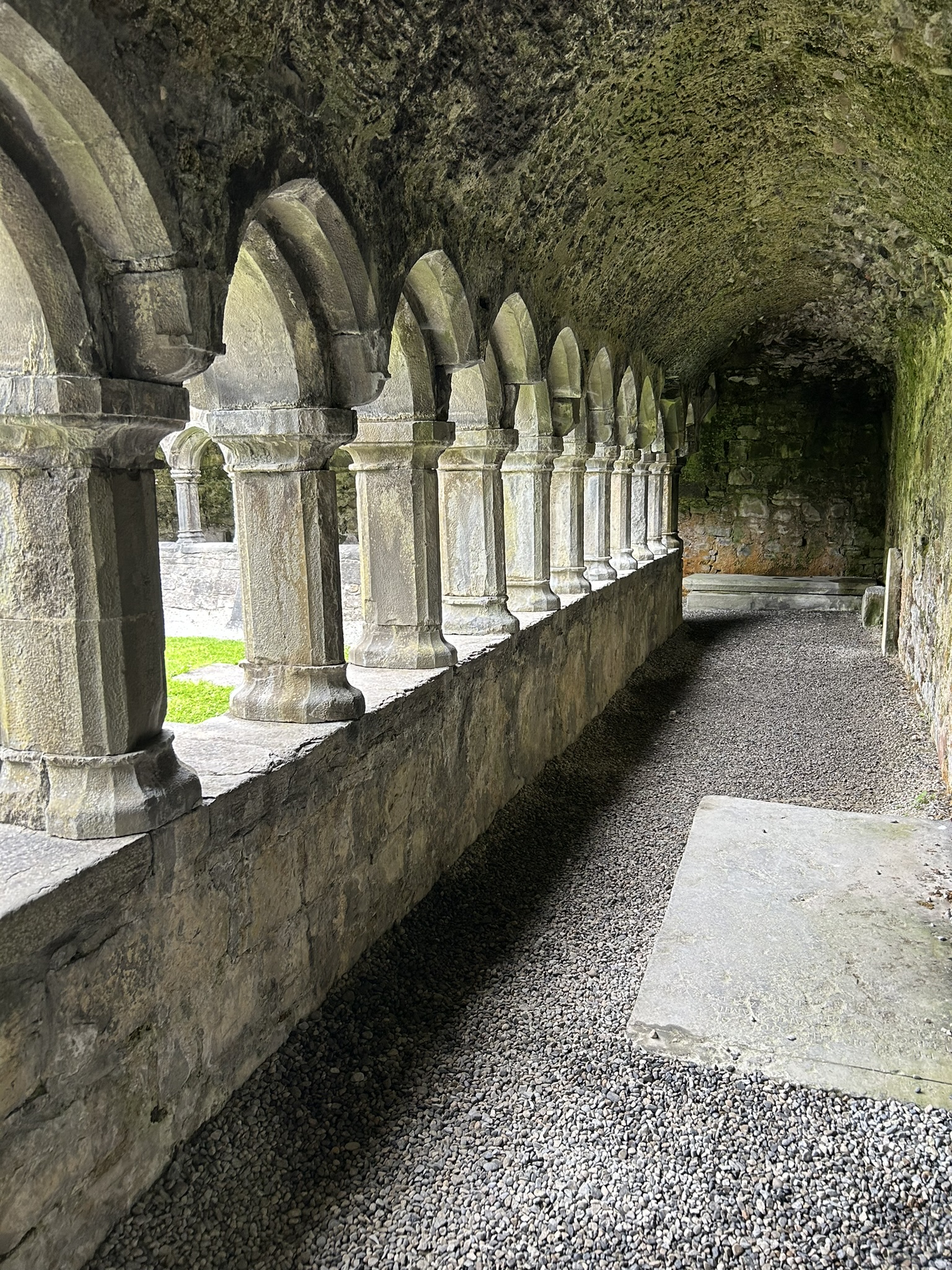
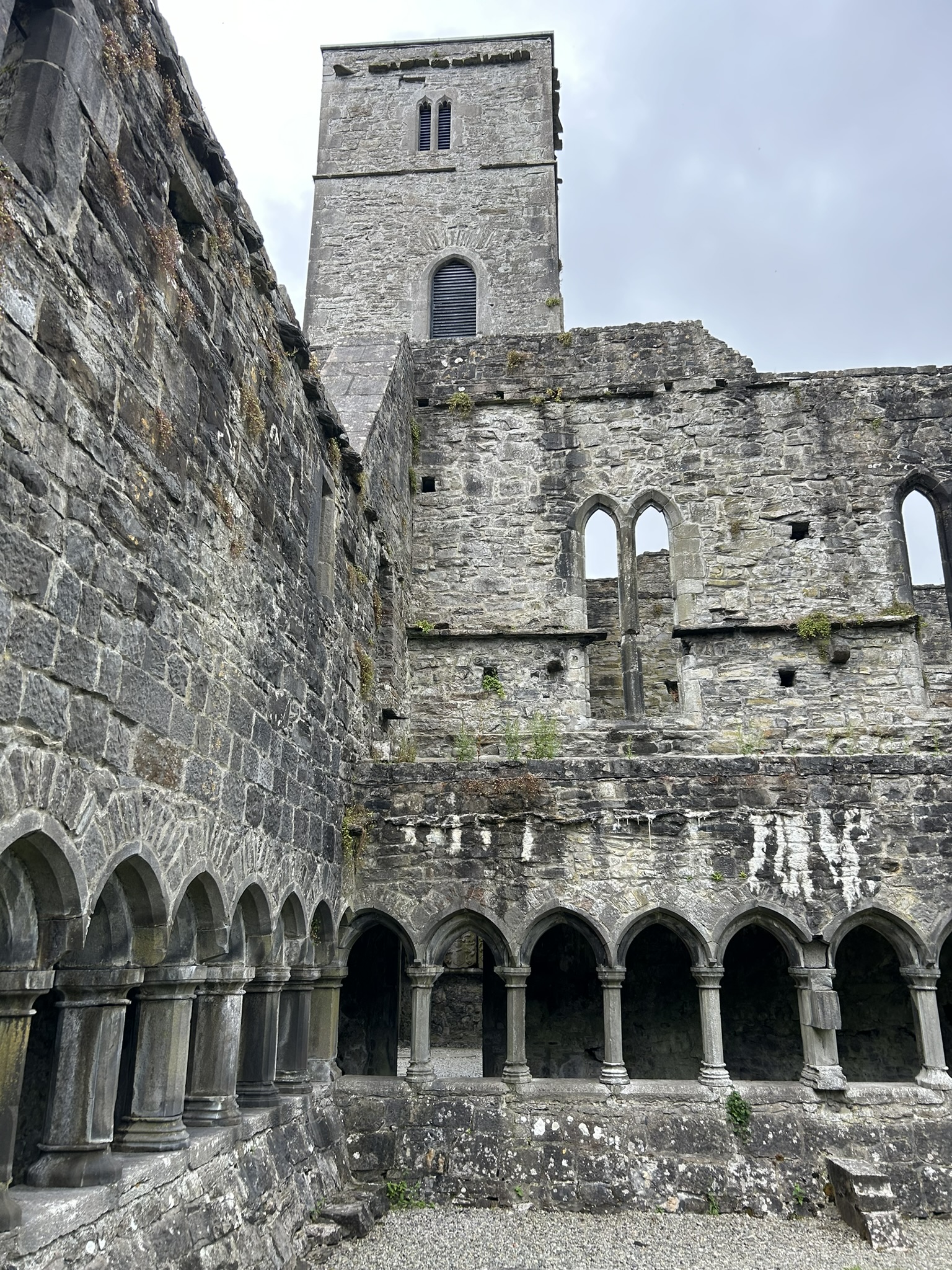
Despite all of these disasters, the impressive remains of Sligo Abbey still hold a treasure trove of artefacts, including incredible Gothic and Renaissance sculptures. You can also walk the grounds to learn about the Abbey’s different periods and monuments, including the sculptured 15th century high alter.
2. Carrowmore Megalithic Cemetery
Carrowmore is a large grouping of megalithic tombs constructed almost 6,000 years ago during the Neolithic period, or new Stone Age. The remains of 35 passage tombs make Carrowmore one of the oldest and densest clusters in Ireland, and the second largest in Europe. Carrowmore also makes up one of the four major passage tomb cemeteries in Ireland.
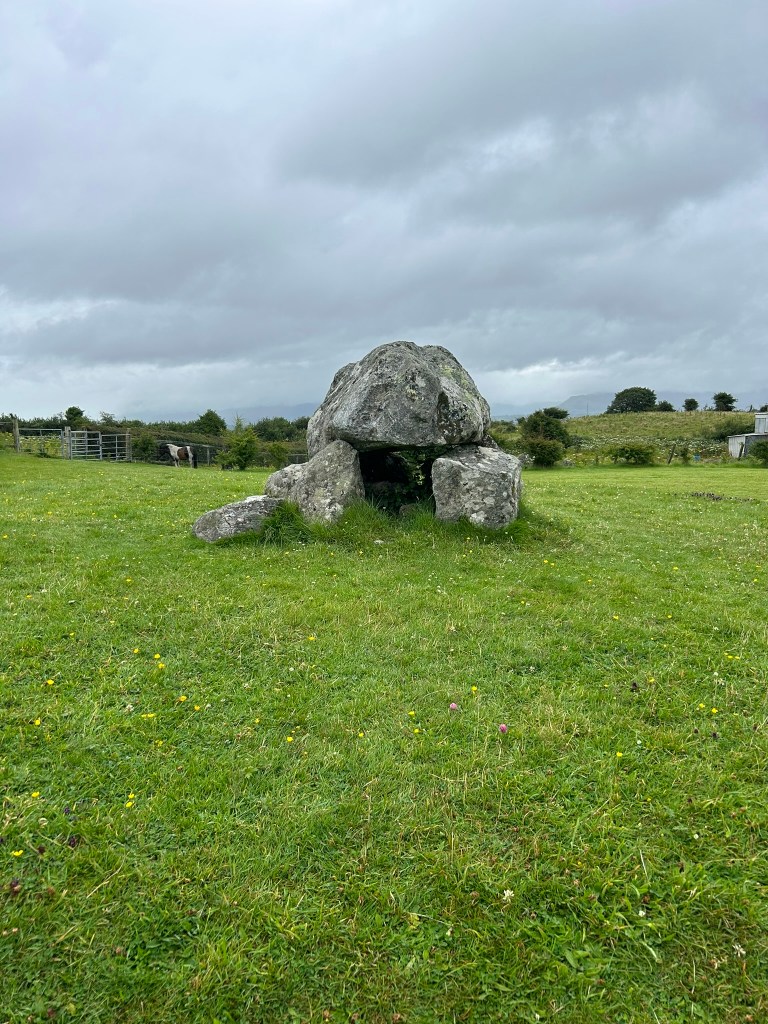
The satellite tombs, or monuments, in their original state consisted of a central megalith with 5 upright stones bearing a capstone, creating and enclosing a small pentagonal burial chamber. These were each surrounded by a boulder circle 12 to 15 metres in diameter. The circle or ring surrounding the tomb contains 20 to 40 boulders, and sometimes a second inner circle is also present. Entrance or passage stones extend from the central tomb, and face toward the central cairn of the site.
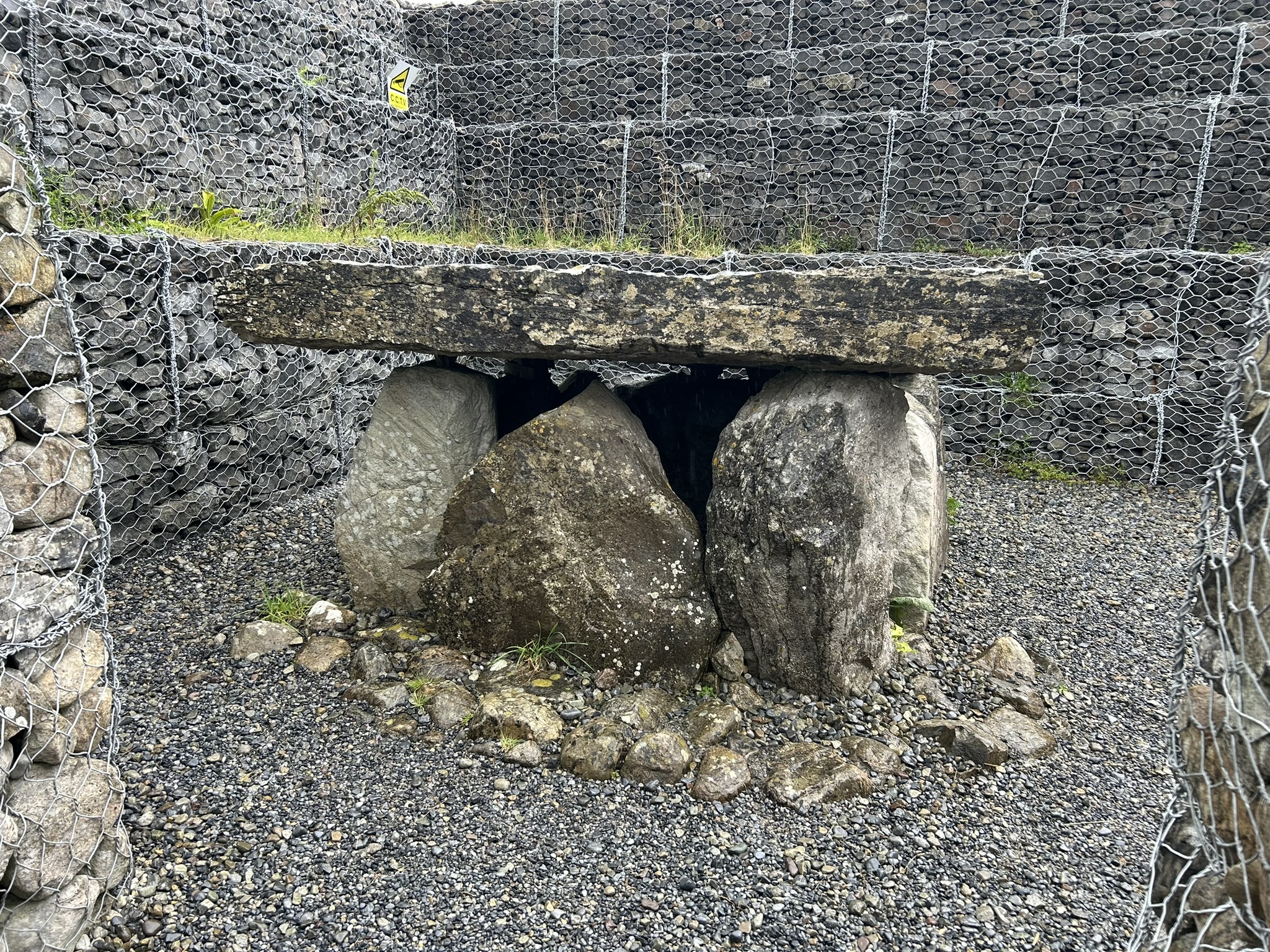
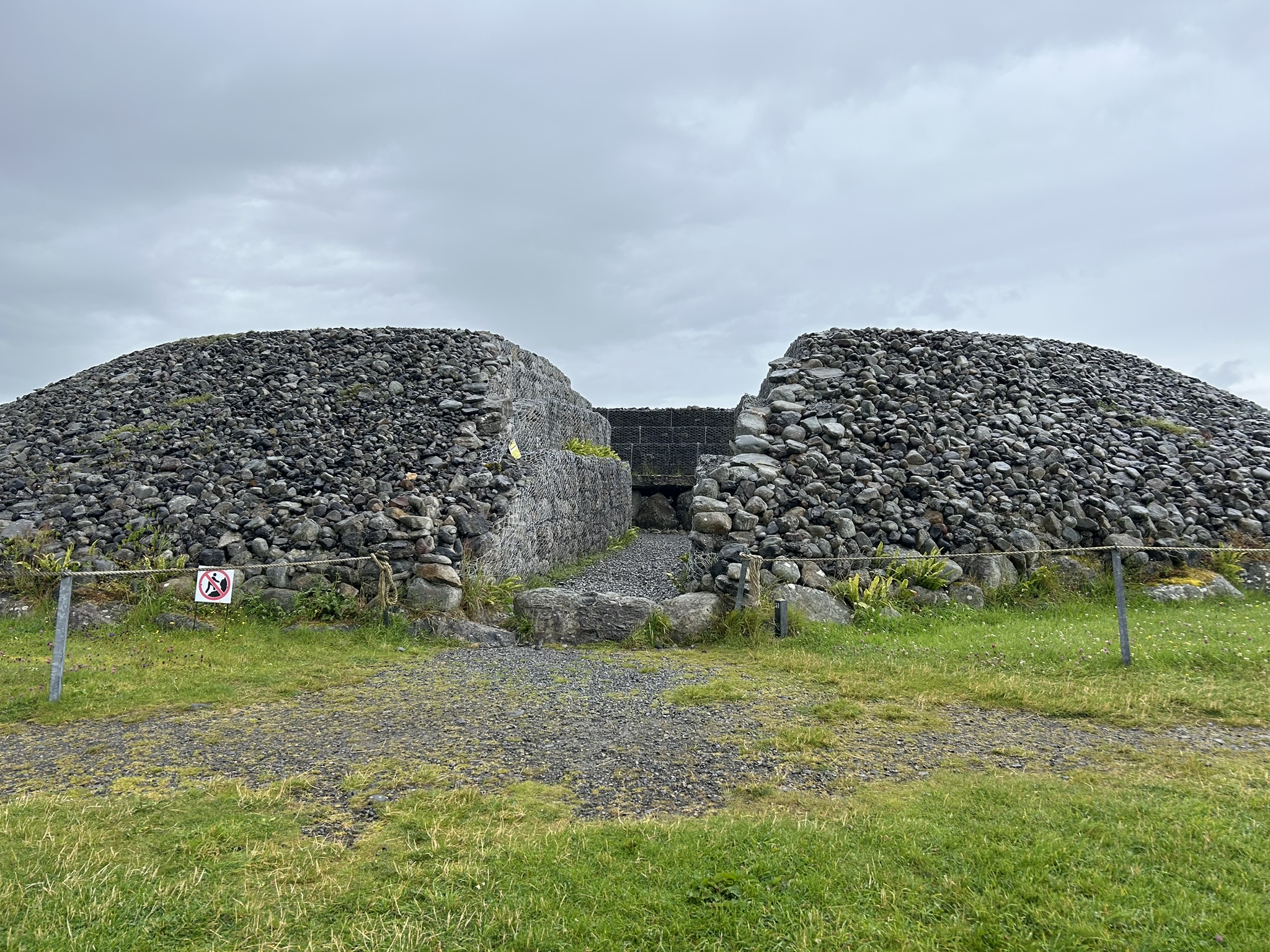
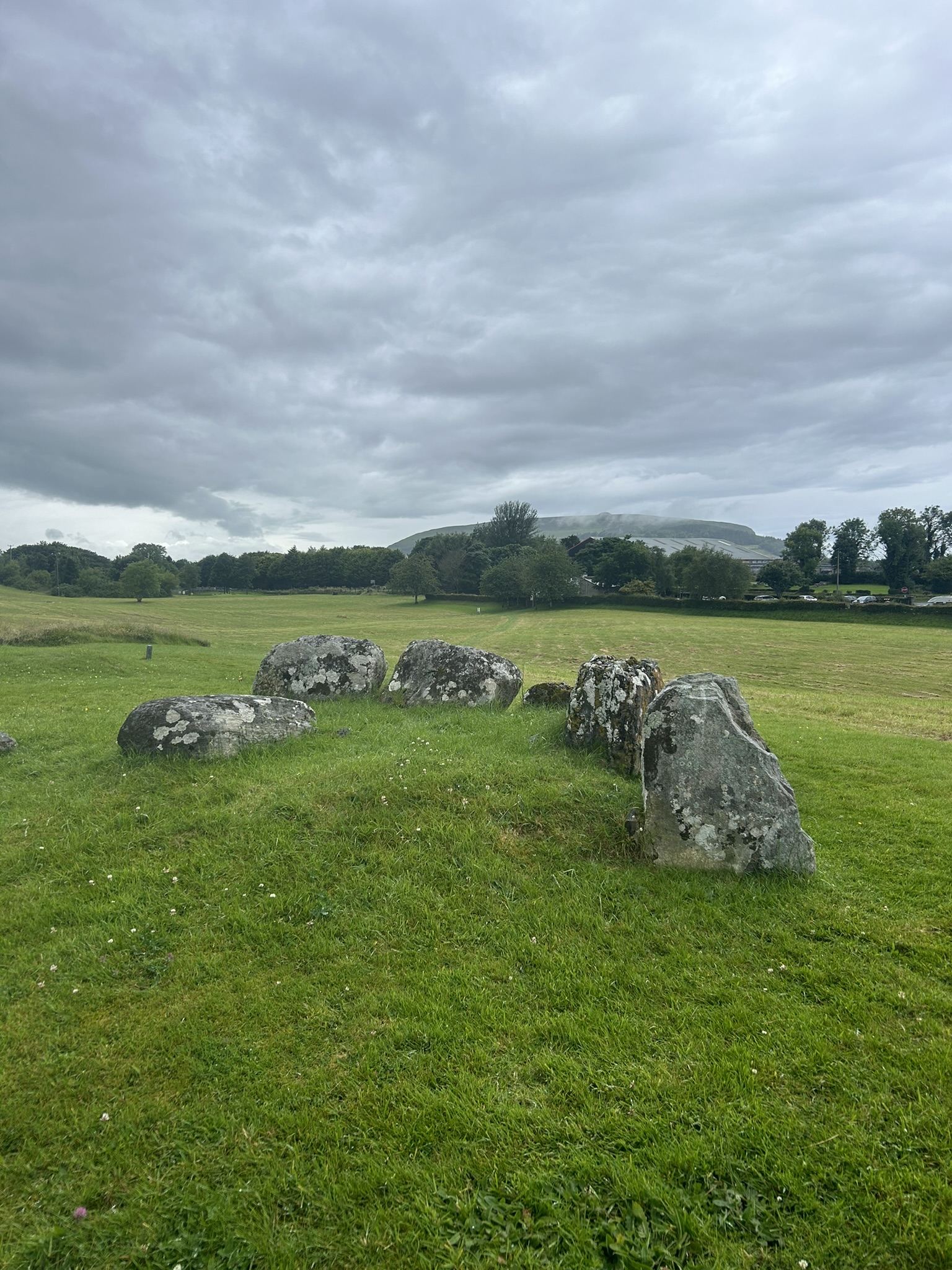
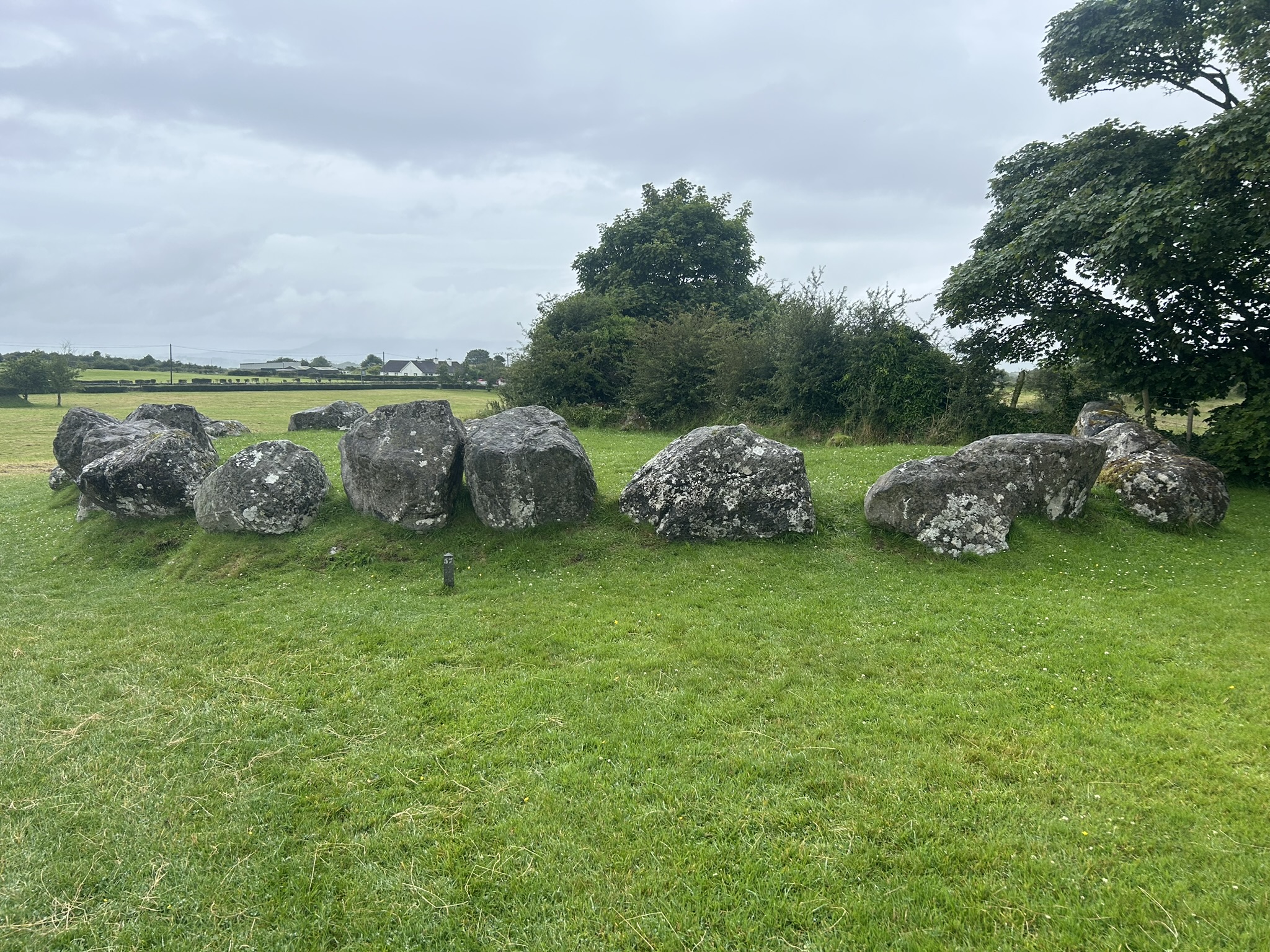
A restored cottage holds a highly informative exhibition, providing deep insight into Carrowmore’s 6,000 year history, and maps guiding you through the large farmland area which houses these historical marvels.
3. Parke’s Castle
Parke’s Castle was built in the 17th century and is located on the picturesque shores of Lough Gill in County Leitrim (11km from Sligo Town). It was once the home of English planter Sir Robert Parke and his family, giving the castle its namesake, however evidence of an earlier structure has been found; a tower house once owned by Sir Brian O’Rourke.
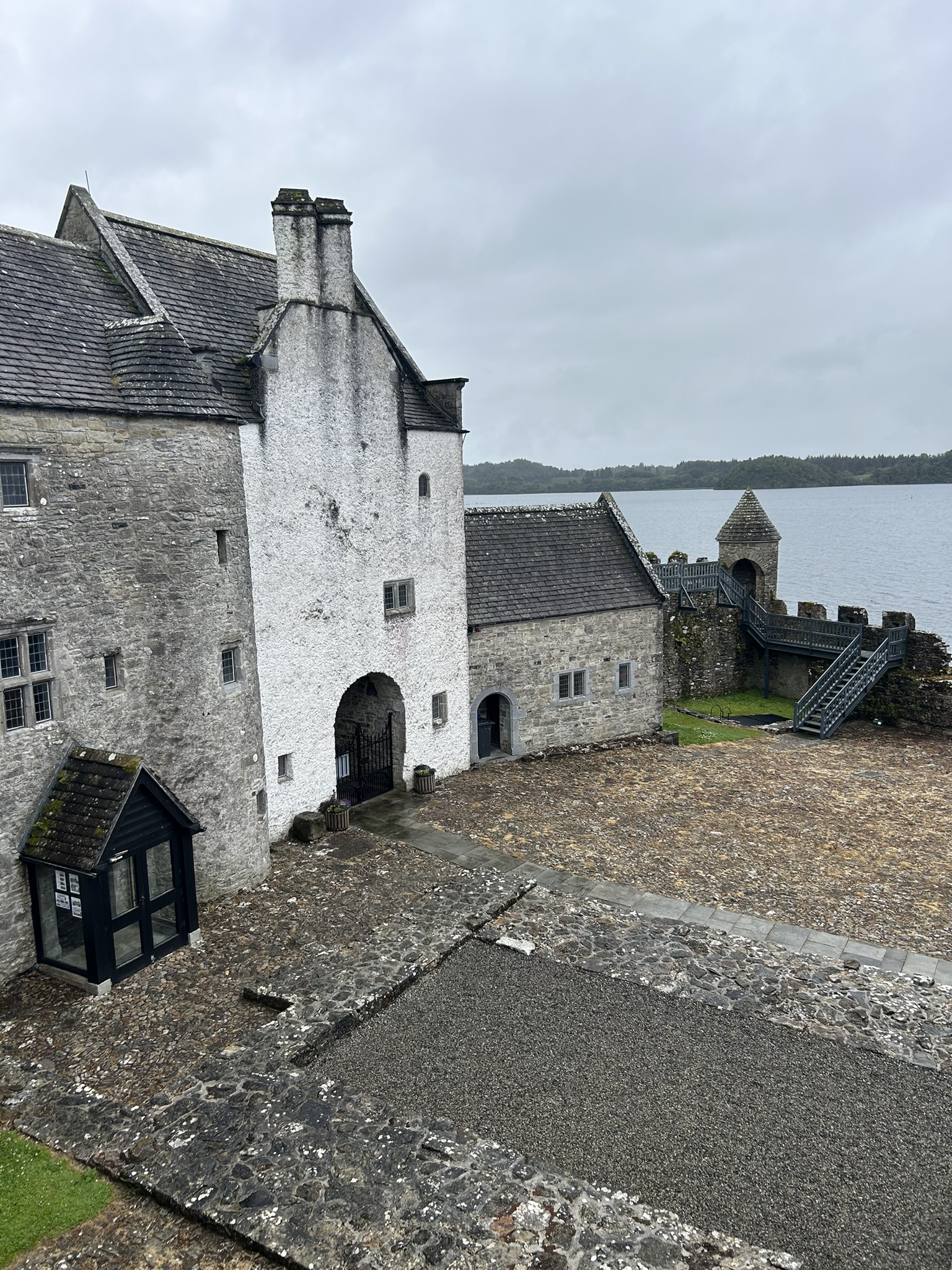
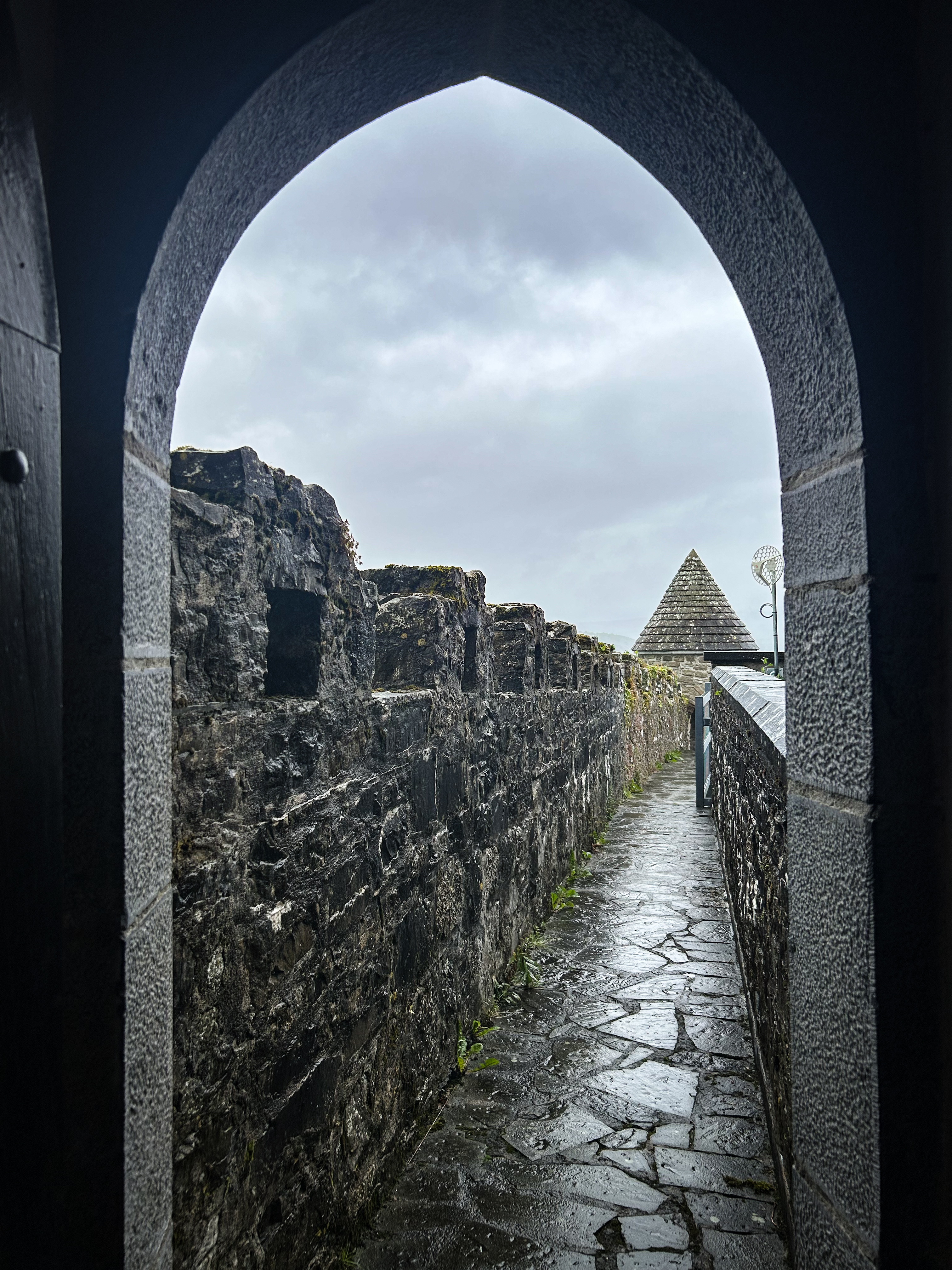
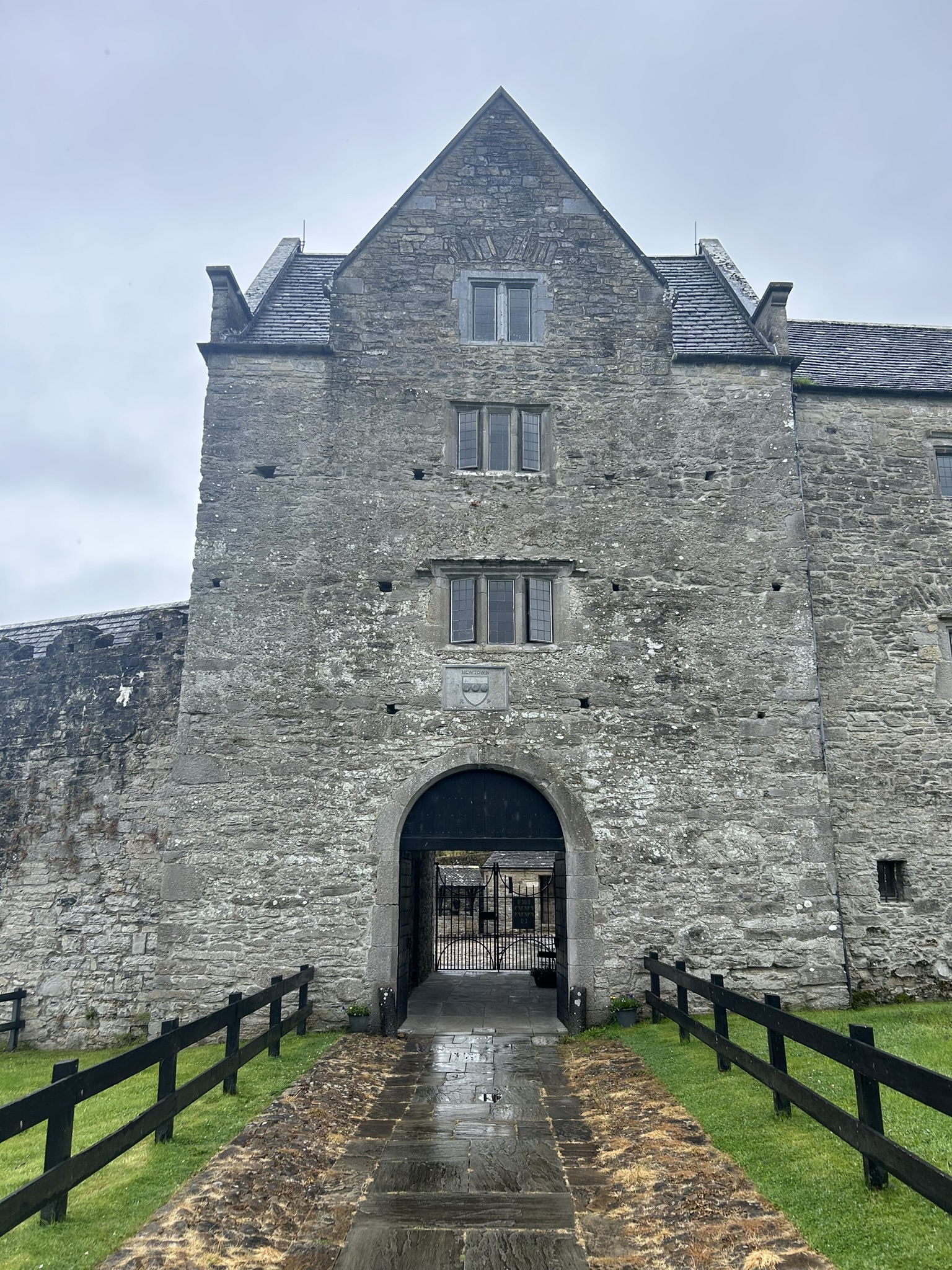
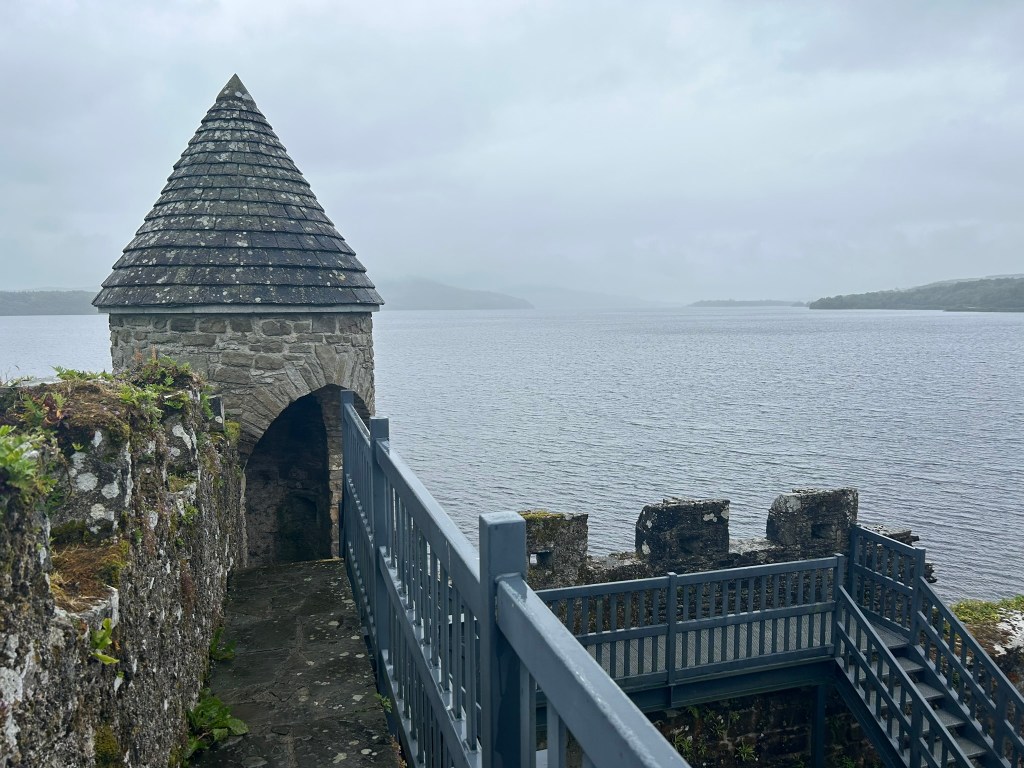
The castle fell into disrepair after two of Parke’s children tragically drowned in the lake in 1677. In the late 20th century it was restored and the castle as it stands today can be explored, with the banquet hall and family room rebuilt using traditional Irish construction and craftsmanship. You can also wander through the pigeon tower and along the castle walls, admiring the gorgeous views of Lough Gill.


 kirbtraveldiaries.com
Leave a comment